The Impact of Whales on Odds
Analyzing how large holders influence market sentiment and liquidity in the short term.

Whale Watching 101
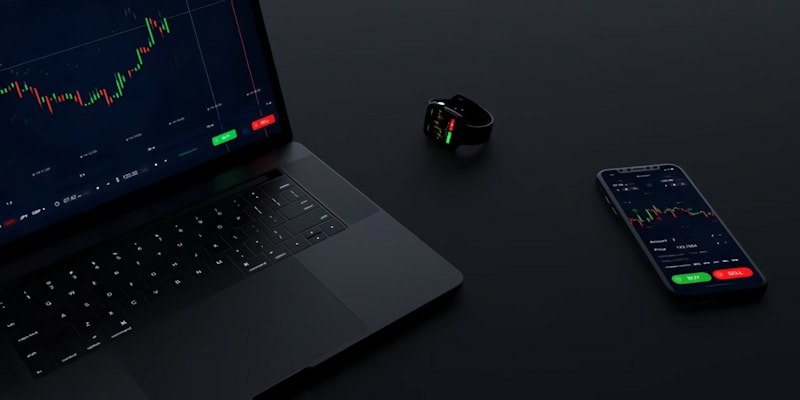
In crypto prediction markets, a "Whale" is a trader with enough capital to move the market price significantly with a single order. Unlike traditional equity markets where billions are traded daily, prediction markets often have thinner liquidity, making them susceptible to whale movements.
Price Slippage and Impact
When a whale wants to buy $50,000 worth of "Yes" shares, they eat through the order book.
- They buy the cheapest shares at 50¢.
- Then the next tier at 51¢.
- Then 52¢... up to 60¢.
The "spot price" might jump from 50% to 60% instantly. Retail traders seeing this might panic, thinking the whale knows something they don't.
Dumb Money vs. Smart Money
Not all whales are smart.
- Ideological Whales: Wealthy individuals betting on their preferred political candidate regardless of the actual odds. This is "dumb money" and creates opportunities for arbitrageurs to bet against them.
- Insider Whales: Wallets that buy slowly, using limit orders to avoid slippage, days before news breaks. This is "smart money."
Detecting Whale Activity
Tools like Hashdive and Polymarket Analytics allow you to track:
- Wallet Age: Is this a fresh wallet funded via Tornado Cash? (Suspicious)
- Trade Size: Are they strictly buying in $10k increments?
- PnL: Does this wallet have a history of winning?
If a wallet with a high historical PnL starts aggressively buying an underdog, it is a strong signal to follow.
Referenced Skills
Put theory into practice
Explore the skills and integrations mentioned in this article to run the workflow immediately.
Explore Skills